
What’s the Difference Between
a Logo Design and Visual Branding?
A logo is one of the most important parts of your business identity.
It gives people something to recognize. It helps your business look more professional. It gives you a mark you can use on your website, social media profiles, business cards, proposals, signs, packaging, and other materials.
But a logo isn’t the same thing as visual branding.
This is where things can get a bit muddy, because a logo design does involve decisions about colour, typography, shape, and style. So it’s completely understandable to wonder:
“If my logo already includes colours and fonts,
why would I need visual branding, too?”
Fair question.
The short answer is this:
Your logo gives you the mark.
Visual branding gives you the system for using your brand everywhere.
They’re connected, but they’re not the same thing.

A Logo Is Your Main Visual Mark
Your logo is the central visual symbol of your business.
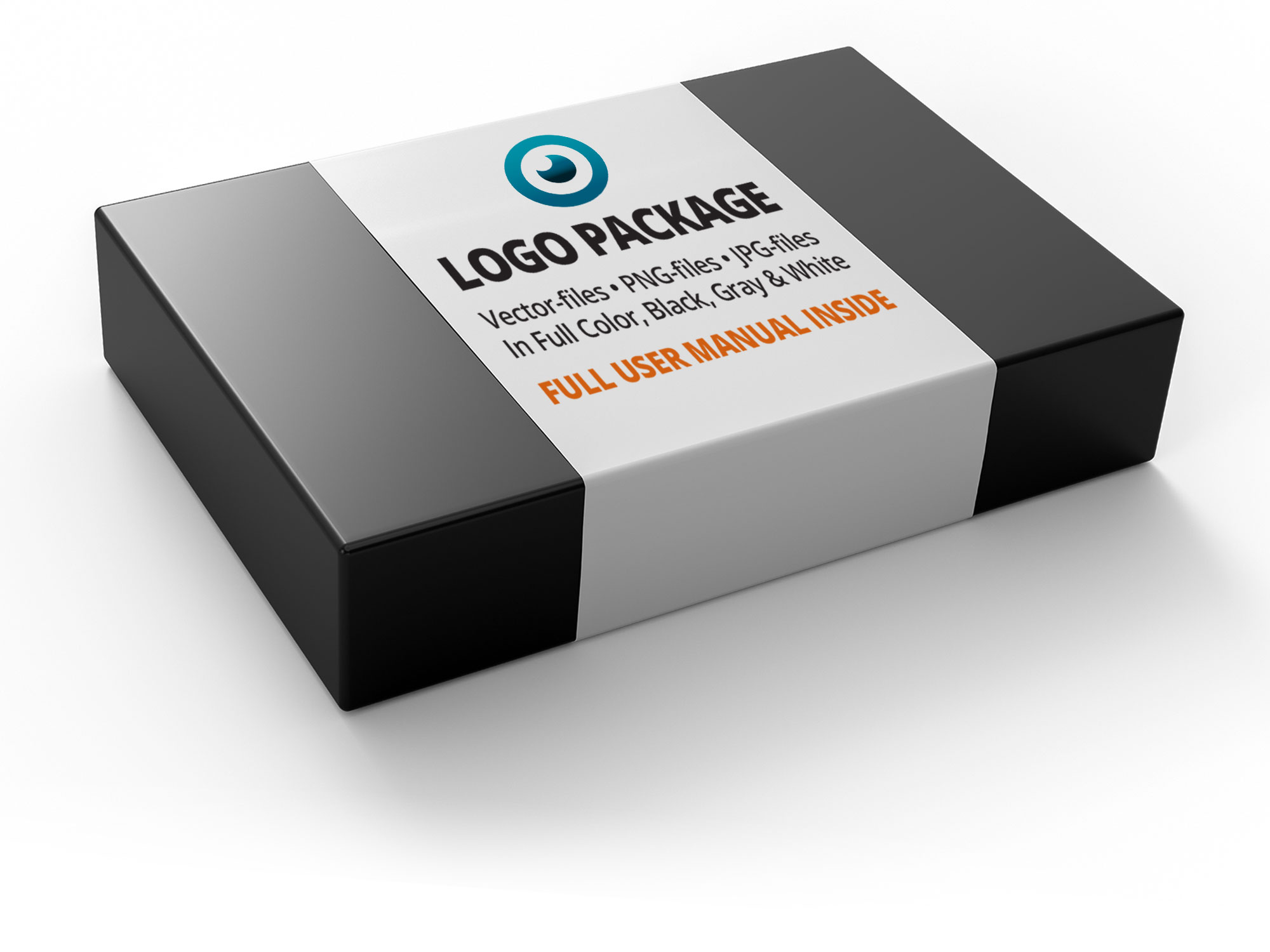
It may include your business name, a custom mark, a specific type treatment, and one or more colours. When your logo is finished, you receive the actual logo files you need to use it properly.
That may include things like:
- Horizontal and vertical logo versions
- Colour, black, white, and greyscale versions
- Vector, PNG, and JPEG files
- Logo files for web and print use
These files make sure your logo can show up clearly in different places.
Because one logo version won’t magically behave itself everywhere.
A logo that works beautifully on your website header may not work in a tiny social media profile circle. A colour version may look great on a white background, but disappear completely on a dark one. A file that works online may not work properly for print.
That’s why a proper logo package includes different versions and file types.
So yes, your logo package gives you a professional logo
and the core files needed to use it.
But it doesn’t give you a complete visual brand system.
Logo Colours Aren’t the Same
as a Full Brand Colour Palette
Every logo needs colour decisions.
If you already have a defined brand palette, the logo can be designed to work within those colours. If you don’t, your logo may introduce two or three colours that become the starting point for your visual identity.
But “starting point” is the important part.
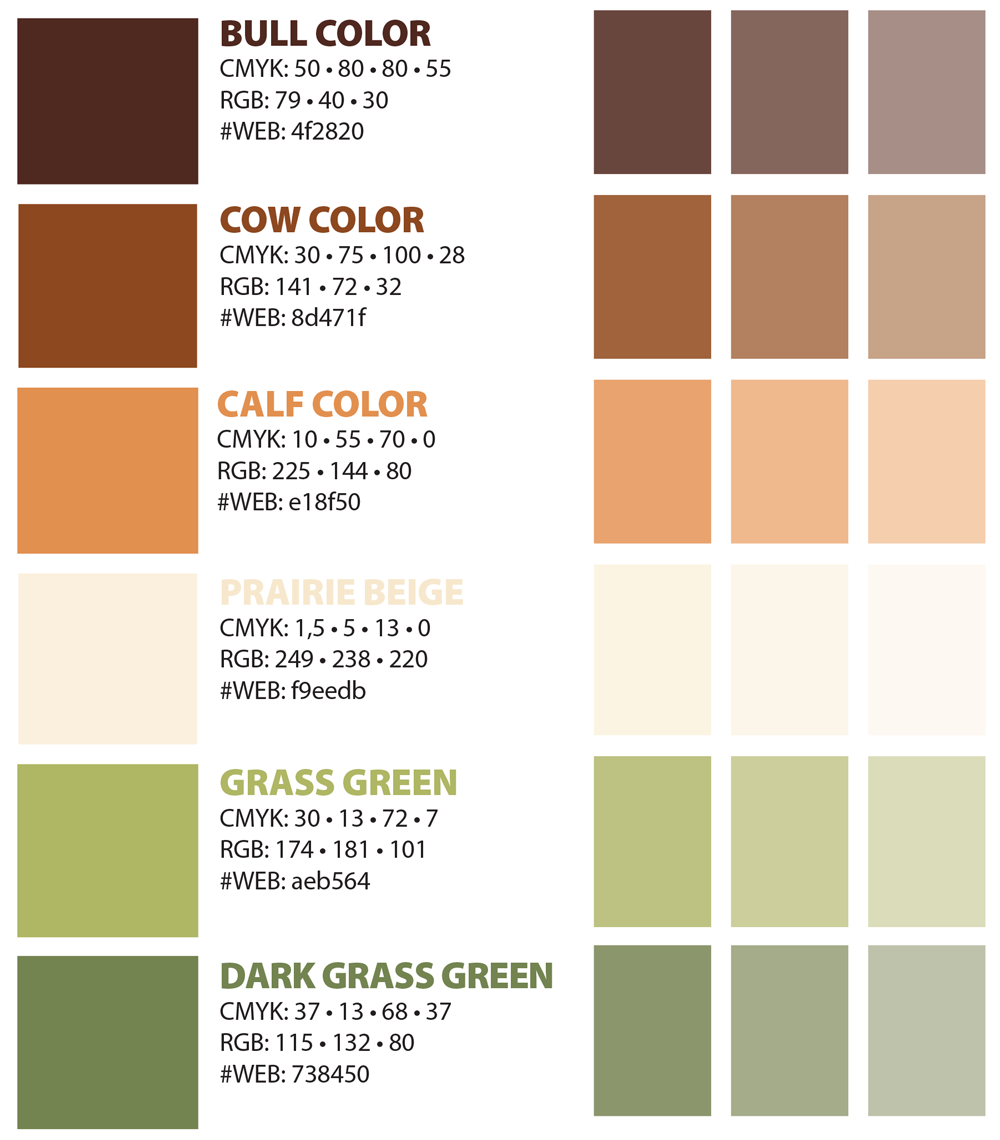
The colours in your logo are chosen to make the logo work. They aren’t the same as a full brand colour palette for your website, marketing materials, social media graphics, presentations, forms, ads, and other client-facing pieces.
A full brand colour palette answers bigger questions, such as:
- What are your main brand colours?
- What are your supporting colours?
- What colours should be used for backgrounds?
- What colours should be used for buttons, links, headings, icons,
and accents? - How should colours be combined so everything feels consistent?
Your logo colours may be part of that system.
But they’re not the whole system.
Think of it this way: choosing the color of your front door doesn’t tell you the colors of the bricks, siding, window trim, eavestrough, and roof.

This logo features 3 colors.
The full brand palette below.
Logo Typography Isn’t the Same as Brand Typography
The same thing happens with fonts.
A logo may include a specific font or custom lettering. That typography is chosen because it works inside the logo. It needs to look balanced, distinctive, readable, and appropriate as part of the mark.
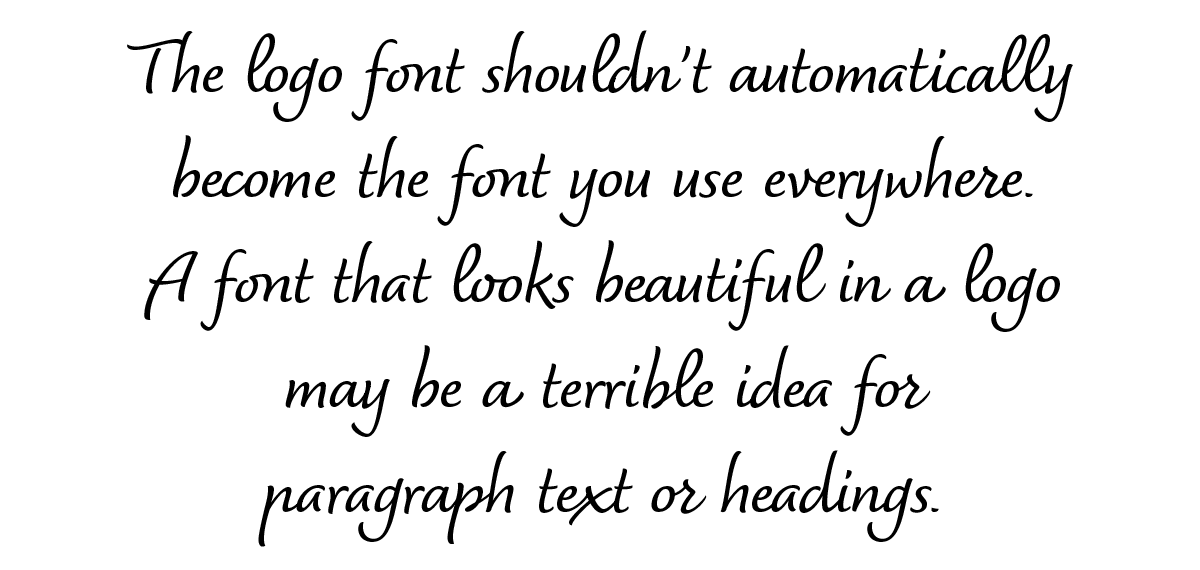
But that doesn’t mean the logo font should automatically become the font you use everywhere.
A font that looks beautiful in a logo may be a terrible idea for paragraph text or headings. It may not have enough weights or styles. It may feel too strong or too limited when used across a full brand.
This is how businesses end up with a good logo sitting on top of a website that still feels unfinished, inconsistent, or slightly confused.
A visual branding package looks at typography as a system.
That may include guidance for:
- Heading fonts
- Body copy fonts
- Accent fonts
- Font pairings
- Font hierarchy
- Spacing and sizing
- How typography should feel across different materials
Your logo font belongs to the logo.
Your brand typography is the broader system that helps your business look consistent and professional everywhere else.
Visual Branding Goes
Beyond the Logo
Visual branding takes the visual direction started in the logo and builds it into a complete system.
This is where the deeper work happens.
Visual branding includes your full colour palette, font direction, imagery style, graphic elements, layout guidance, and a visual brand guide that shows how everything should work together.
Because most businesses don’t only need a logo.
They need to know how their business should look when it shows up in real life.
For example:
- What should your website feel like visually?
- What kind of images should you use?
- Should your brand feel bold, warm, refined, playful, calm, premium, minimal, organic, or something else?
- What should your social media graphics look like?
- How should your colours and fonts be used together?
- What should stay consistent so your materials feel like they belong to the same business?
Without that system, people start guessing.
They use the logo font everywhere. They pull colours directly from the logo and use them wherever. They choose stock images that don’t match. They create marketing materials that technically include the logo, but still feel disconnected.
That’s not because they’re doing something wrong.
It’s because they were given a logo, not a full visual direction.

The Branding Hub. The logo in the center supports
the spokes that enables the wheel to spin so the rubber meets the road. Cover for my exam report in
Strategic Brand Management.
A Logo Helps People Recognize You.
Visual Branding Helps Everything Feel Like You.
A logo is the anchor.
Visual branding is the world around it.
Your logo helps people identify your business. Visual branding helps your entire presence feel intentional, consistent, and aligned.
That consistency matters.
When your website, social media, proposals, presentations, print materials, and client documents all look like they belong together, your business feels more established. It becomes easier for people to recognize you, remember you, and trust that they’re dealing with a professional business.
Without visual branding, even a beautiful logo can end up surrounded by mismatched colours, random fonts, inconsistent imagery, and layouts that weaken the impression you’re trying to make.
In other words, the logo may be doing its job.
But the rest of the visuals are wandering around unsupervised.

So Which One Do You Need?
If you don’t have a professional logo yet, start there.
Your logo is the foundation. It gives your business a clear mark and the proper files needed to use it.
But if you want your whole business to look consistent across your website and marketing materials, you need more than a logo.
That’s where visual branding comes in.
The logo package gives you the logo itself.
The visual branding package gives you the broader visual system: the colours, typography, image direction, and brand guide that help you use your brand with confidence across your business.
A logo is the starting point.
Visual branding is what helps everything else come together.